화장품 및 피부과 제제에 적합한 용기를 선택하는 것은 제품 효능, 유통기한 보존 및 브랜드 아이덴티티에서 중추적인 역할을 합니다. 스킨케어 포뮬러에는 공기 노출, 빛 방사선 및 미생물 오염에 대한 특별한 환경 보호가 필요한 항산화제, 하이드록시산, 식물 추출물 및 펩타이드와 같은 복잡한 활성 성분이 포함되어 있습니다. 포장 엔지니어와 화장품 화학자는 다양한 포장 형식을 평가하여 물리적 포장이 제형의 점도, 화학적 조성 및 적용 방법과 일치하는지 확인합니다.
현재 시중에 판매되는 다양한 재료 중에서 플라스틱 스킨케어 병 대중 시장, 인디 및 전문 피부과 브랜드 전반에 걸쳐 가장 널리 구현되는 솔루션 중 하나로 남아 있습니다. 그러나 병 디자인의 전체 스펙트럼을 이해하려면 디스펜싱 메커니즘과 재료 구성을 모두 분석해야 합니다. 이 포괄적인 가이드는 사용 가능한 스킨케어 병의 다양한 유형을 자세히 설명하고 각 메커니즘과 재료가 포뮬러 안정성, 소비자 경험 및 미적 표현에 어떤 영향을 미치는지 조사합니다.
[이미지: 에어리스 펌프식 플라스틱 병, 유리 드로퍼 병, 화장수와 세럼이 들어있는 미세 미스트 스프레이 용기 등 다양한 스킨케어 병이 깔끔하게 진열되어 있는 모습]
디스펜싱 메커니즘에 따른 스킨케어 병 분류
분배 메커니즘은 소비자가 제품과 상호 작용하는 방식을 결정하고 매일 사용하는 동안 포뮬러가 환경에 노출되는 정도를 직접 제어합니다. 호환되지 않는 디스펜싱 시스템을 선택하면 조기 산화, 제품 건조 또는 비효율적인 사용이 발생할 수 있습니다.
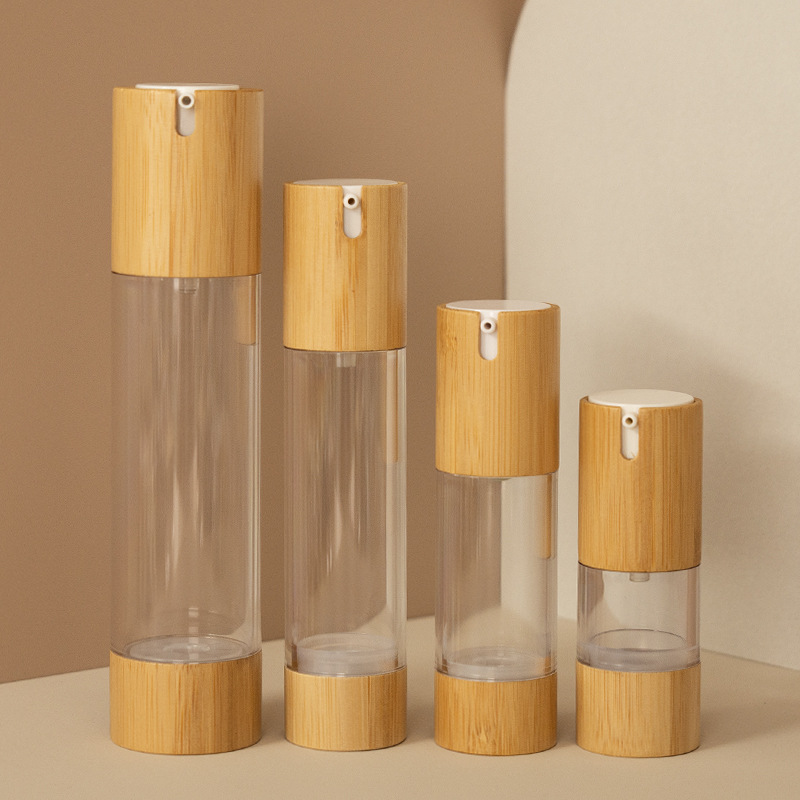
에어리스 펌프 스킨케어 병
에어리스 펌프 용기는 화장품 포장 기술의 주요 발전을 나타냅니다. 액체를 위쪽으로 끌어올리기 위해 딥 튜브를 사용하는 기존 펌프 메커니즘과 달리 에어리스 시스템은 비가압 진공 설계를 통해 작동합니다. 구조는 병 바닥에 위치한 상승 피스톤을 특징으로 합니다. 사용자가 펌프 헤드를 누르면 진공 효과가 발생하여 피스톤을 위쪽으로 당기고 주변 공기가 챔버에 다시 들어가지 않도록 노즐을 통해 액체를 밀어냅니다.
에어리스 플라스틱 스킨케어 병을 사용하면 비타민 C, 레티놀 또는 L-아스코르브산과 같은 활성 성분을 함유한 민감한 제제에 뚜렷한 이점을 제공합니다. 대기 산소가 용기 밖으로 차단되기 때문에 산화 속도가 크게 감소하여 제조업체는 확장된 보관 안정성을 유지하면서 방부제 농도를 낮출 수 있습니다. 또한, 에어리스 펌프 시스템을 사용하면 제품을 거의 완벽하게 비울 수 있으며 종종 95% 이상의 제품 비움에 도달하여 최종 사용자의 제품 폐기물을 줄입니다.
에어리스 용기는 일반적으로 구조적 완전성과 높은 내화학성을 제공하는 폴리프로필렌 또는 폴리에틸렌 테레프탈레이트 글리콜을 사용하여 제작됩니다. 두꺼운 벽의 플라스틱 스킨케어 병 변형은 단단한 유리의 무게와 투명도를 시뮬레이션하는 동시에 엔지니어링 폴리머 고유의 비산 방지 이점을 제공할 수 있습니다. 이 용기는 중간~고점도 크림, 젤, 에멀젼 세럼에 이상적입니다.
표준 펌프 디스펜서 병
표준 펌프 병은 펌프 엔진에서 병 저장소의 내부 바닥까지 연장되는 클래식 딥 튜브를 활용합니다. 사용자가 액추에이터를 누르면 공기 압력으로 인해 제품이 튜브를 통해 위로 올라가 스파우트 밖으로 나옵니다. 내부 볼 밸브와 스프링은 유량을 조절하여 각 스트로크 후에 펌프를 재설정합니다.
이 디스펜서는 매우 다재다능하며 매일 사용하는 페이셜 클렌저, 바디 로션, 미셀 워터, 액상 비누 제형과 같은 제품을 위한 표준 플라스틱 스킨케어 병과 널리 짝을 이룹니다. 펌프 헤드는 의도한 적용 영역에 따라 일반적으로 스트로크당 0점 2밀리리터에서 2밀리리터 범위의 다양한 투여량 출력으로 설계될 수 있습니다.
운송 및 일일 취급 중 안전을 강화하기 위해 표준 펌프 헤드에는 트위스트 잠금 장치 또는 클립 잠금 장치가 있는 경우가 많습니다. 잠금식 펌프 헤드는 배송 중 또는 개인 여행 가방에 보관할 때 우발적인 배출을 방지합니다. 제조업체에서는 흔히 고밀도 폴리에틸렌이나 재활용 가능한 폴리에틸렌 테레프탈레이트를 사용하여 병 본체를 형성함으로써 가볍고 내구성이 뛰어나며 비용 효과적인 포장 솔루션을 만듭니다.
드로퍼 병 및 피펫 용기
종종 피펫 병이라고도 하는 점적기 병은 압착 가능한 전구와 속이 빈 유리 또는 플라스틱 튜브를 고정하는 나사 캡 어셈블리와 쌍을 이루는 견고한 몸체로 구성됩니다. 사용자는 유연한 전구를 쥐어 튜브 안으로 액체를 끌어들이고 정확하고 셀 수 있는 방울을 피부나 손가락에 방출합니다.
이 용기 디자인은 전통적으로 농축 트리트먼트 세럼, 페이셜 오일, 액상 각질 제거제, 특수 스킨 드롭과 관련이 있습니다. 점적병의 시각적 미학은 임상적 또는 약사적 느낌을 전달하며 이는 목표 치료 라인과 잘 어울립니다. 점적기 시스템은 정확한 투여량 제어를 제공하는데, 이는 용도별 특정 점적 횟수가 필요한 강력한 활성 물질을 적용할 때 필수적입니다.
그러나 기존의 점적기 병은 캡을 풀고 제거할 때마다 내부 제품이 주변 공기에 노출됩니다. 또한 잘못 사용하면 피펫 튜브가 피부나 손에 닿아 잠재적인 박테리아 오염이 병에 다시 유입될 수 있습니다. 이러한 이유로 표준 점적 용기에 포장된 포뮬라는 환경 요소에 반복적으로 노출되는 것을 견딜 수 있는 강력한 보존 시스템이 필요합니다.
스퀴즈 병 및 유연한 튜브
스퀴즈 병은 용기의 외부 벽에 가해지는 수동 압력에 의존하여 작은 구멍이나 좁은 팁 노즐을 통해 액체를 밀어냅니다. 이러한 용기는 주름이나 균열 없이 영구적으로 구부러지는 저밀도 폴리에틸렌 또는 특수 플라스틱 라미네이트와 같은 유연한 재료를 사용하여 제조됩니다.
스퀴즈 플라스틱 스킨케어 병은 저중점도 에멀전, 자외선 차단제, 스팟 트리트먼트, 플루이드 파운데이션 제품에 일반적으로 선택됩니다. 좁은 팁 노즐을 사용하면 사용자는 소량의 제품을 높은 정확도로 대상 영역에 직접 도포할 수 있습니다. 제품이 소비됨에 따라 용기 벽이 약간 무너지기 때문에 압착식 병은 내부 빈 공간을 최소화하고 챔버 내의 공기량을 제한합니다.
실용적인 관점에서 볼 때 유연한 압착 용기는 휴대성이 뛰어나고 깨지지 않으며 가볍습니다. 여행 중이나 거칠게 다룰 때 매우 잘 견디는 접근 가능하고 저렴한 포장 옵션을 제공하여 데일리 선크림 라인과 활동적인 라이프스타일 스킨케어 컬렉션에 인기가 높습니다.
스프레이 및 분무기 병
스프레이 병 또는 분무기는 배출 시 액체 제제를 미세한 미스트 또는 증기로 분해하도록 설계된 엔진을 사용합니다. 펌프 메커니즘은 유체에 압력을 가하고 스프레이 헤드 내부의 미세 구멍을 통해 유체를 강제로 통과시켜 작은 물방울의 균일한 패턴을 생성합니다.
분무기 용기는 페이셜 토너, 하이드레이팅 미스트, 세팅 스프레이, 에센스 워터 등 초저점도의 물성 액체와 거의 독점적으로 결합됩니다. 미세 미스트 스프레이 병의 주요 이점은 비접촉식 적용입니다. 사용자는 피부를 문지르지 않고도 얼굴과 목 전체에 제품을 고르게 도포할 수 있어 민감성 피부나 치료 후 피부 상태에 좋습니다.
내부 펌프 동작을 처리하려면 구조적 강성이 필요하기 때문에 스프레이 병의 재료 선택은 투명한 폴리에틸렌 테레프탈레이트 또는 알루미늄을 선호하는 경우가 많습니다. 투명한 플라스틱 스킨케어 병 디자인의 선명도 덕분에 소비자는 잔여 액체 수준을 쉽게 모니터링할 수 있으며, 내부 딥 튜브는 용기 하단 모서리에 정확하게 안착되도록 조정되어 제품 사용량을 최대화할 수 있습니다.
병 분배 시스템의 비교 개요
올바른 분배 메커니즘을 선택하려면 제제 특성과 용기 기능을 일치시켜야 합니다. 다음 매트릭스는 주요 디스펜싱 유형이 제제 매개변수 및 사용자 요구 사항에 어떻게 부합하는지 보여줍니다.
| 디스펜스 메커니즘 | 이상적인 점도 범위 | 대기 노출 수준 | 제품 철수율 | 1차 표적 제제 |
|---|---|---|---|---|
| 에어리스 펌프 시스템 | 중간~고점도 | 최소 ~ 없음 | 높음, 종종 95%를 초과함 | 레티놀 크림, 비타민 C 세럼, 섬세한 에멀젼 |
| 표준 딥 튜브 펌프 | 저~중점도 | 사용 중 보통 | 보통, 베이스에 잔류물 남음 | 매일 페이셜 클렌저, 바디 로션, 세안제 |
| 피펫 드로퍼 어셈블리 | 초저~저점도 | 개봉 시 높음 | 수동 제어 시 높음 | 페이스 오일, 리퀴드 세럼, 컨센트레이트 필 리퀴드 |
| 유연한 짜기 병 | 저점도에서 고점도 | 보통에서 낮음 | 수동 압축 시 높음 | 자외선 차단제, 스팟 젤, 여행 클렌저, 아이 크림 |
| 미세 미스트 분무기 | 물성, 초저점도 | 내부가 낮은 폐쇄형 시스템 | 높음 | 페이셜 토너, 미스트 미스트, 세팅 리퀴드, 수딩 워터 |
재질에 따라 분류되는 스킨케어 병의 종류
디스펜싱 메커니즘이 기능을 좌우하는 반면, 병의 재료 구성은 물리적 내구성, 화학적 호환성, 무게, 투명도 및 지속 가능성 프로필을 정의합니다.
[이미지: 무광택 고밀도 폴리에틸렌, 투명 아크릴 이중벽 및 재활용된 사용 후 플라스틱을 포함한 다양한 마감재를 강조하는 플라스틱 스킨케어 병 샘플의 클로즈업 뷰]
플라스틱 스킨케어 병 유형 및 폴리머
플라스틱은 다용도성, 낮은 운송 중량, 충격 저항성 및 디자인 적응성으로 인해 전 세계 화장품 포장 시장을 지배하고 있습니다. 그러나 모든 플라스틱이 동일한 특성을 갖는 것은 아닙니다. 다양한 폴리머 수지 유형을 사용하여 플라스틱 스킨케어 병을 만들며 각각 고유한 기능적 이점을 제공합니다.
폴리에틸렌 테레프탈레이트
일반적으로 PET라고 불리는 폴리에틸렌 테레프탈레이트는 유리와 같은 투명성, 경량성, 강한 충격 강도로 널리 알려져 있습니다. PET 용기는 수분, 알코올 및 순한 화학 화합물에 대한 높은 차단 기능을 제공하므로 토너, 미셀 워터 및 플루이드 로션에 널리 사용됩니다. 또한 PET는 도로변 재활용 프로그램에서 널리 수용되어 PET로 만든 재활용 가능한 플라스틱 스킨케어 병을 소비자 재활용성을 우선시하는 브랜드가 접근할 수 있는 옵션으로 만듭니다.
고밀도 폴리에틸렌
고밀도 폴리에틸렌(HDPE)은 화학적 안정성, 인성 및 내습성으로 잘 알려진 불투명 또는 반투명 폴리머입니다. HDPE는 구조적으로 견고하며 산, 염기 및 에센셜 오일에 대한 탁월한 저항성을 나타냅니다. HDPE 플라스틱 스킨케어 병은 응력 균열에 강하기 때문에 헤비 클렌저, 화학적 각질 제거제, 자외선 차단제용으로 자주 선택됩니다. 무광택 또는 반광택 천연 표면은 직접 스크린 인쇄 및 맞춤형 컬러 마스터배치를 위한 견고한 기반을 제공합니다.
폴리프로필렌
폴리프로필렌, abbreviated as PP, is a rigid, thermally stable polymer frequently utilized for internal bottle components, pump engines, cap closures, and airless bottle inner chambers. PP exhibits exceptional chemical fatigue resistance and can withstand higher temperatures without warping. While slightly less clear than PET, PP is highly durable and serves as a core material for modern custom plastic skincare bottle packaging where precision engineering is required for moving parts.
폴리에틸렌 테레프탈레이트 Glycol
PETG로 알려진 폴리에틸렌 테레프탈레이트 글리콜은 향상된 투명도, 인성 및 내화학성을 제공하는 PET의 변형된 변형입니다. PETG는 흐려짐 없이 벽이 두꺼운 구조로 성형될 수 있으므로 제조업체는 완벽한 산산 저항성을 유지하면서 유리를 시각적으로 반사하는 두꺼운 벽의 플라스틱 스킨케어 병을 만들 수 있습니다. PETG는 표준 PET에 응력 균열을 일으킬 수 있는 복잡한 화학 제제와 호환됩니다.
아크릴 및 폴리메틸메타크릴레이트
Acrylic containers are often utilized in luxury cosmetic packaging to achieve a heavy, crystalline appearance. Acrylic is frequently deployed in double-wall bottle designs, where an inner bottle made of PP or PETG holds the formula, and an outer shell of transparent acrylic provides a thick, weight-bearing chassis. This construction creates a premium visual depth while insulating the internal product from ambient temperature fluctuations.
Post Consumer Recycled Plastics
Post consumer recycled polymers, commonly known as PCR, represent resins formulated from recycled municipal plastic waste. Incorporating PCR into a plastic skincare bottle allows brands to reduce dependence on virgin fossil fuel resins. PCR can be blended with virgin PET or HDPE at varying percentages, such as twenty-five percent up to one hundred percent PCR content. Using PCR maintains high functional performance while significantly decreasing environmental manufacturing footprints.
Glass Skincare Bottles
Glass has long been regarded as a classic packaging material within the cosmetics industry. Its non-porous surface provides chemical inertness, ensuring that zero chemical leaching occurs between the container wall and the formula inside.
Glass containers are generally categorized into clear flint glass, frosted glass, and colored glass such as amber, cobalt blue, or emerald green. Amber glass provides natural defense against ultraviolet light, protecting photosensitive active ingredients like essential oils, botanical extracts, and pure antioxidants from light degradation.
Despite its premium aesthetic and thermal stability, glass carries notable disadvantages regarding mass transit and consumer convenience. Glass is significantly heavier than plastic alternatives, which increases freight expenses and transport energy consumption. Furthermore, glass is susceptible to shattering upon impact, making it less suitable for shower environments or travel cosmetics compared to a resilient plastic skincare bottle.
Aluminum and Metal Skincare Containers
Aluminum packaging has grown in popularity as an alternative to both glass and traditional plastics. Aluminum bottles are lightweight, completely opaque, and virtually unbreakable.
Because aluminum provides a total light and oxygen barrier, it effectively guards formulas against oxidation and UV degradation. Aluminum bottles are frequently paired with pump or spray caps for body mists, cleansers, and hair oil lines. To prevent chemical reactions between liquid formulas and the raw metal surface, internal food-grade epoxy or resin liners are applied during the bottle manufacturing process.
Material Selection Guide for Cosmetic Brands
Choosing among plastic, glass, and metal involves weighing multiple physical and commercial metrics. The comparative framework below outlines how these materials behave across key operational factors.
| Performance Characteristic | Plastic Skincare Bottle Packaging | Glass Bottle Containers | Aluminum Metal Packaging |
|---|---|---|---|
| Impact Resistance | Exceptional, highly shatterproof | Low, prone to breaking upon impact | 높음, resists breaking, may dent |
| Container Weight | Extremely lightweight | Heavy, increases transport costs | Lightweight |
| UV Light Protection | Varies, clear to opaque options available | 높음 in amber or UV-coated variants | Complete barrier protection |
| Recyclability Stream | 높음 in PET, HDPE, and PP resins | Universally recyclable | Universally recyclable |
| Design Flexibility | 높음, easily molded into custom shapes | 높음, limited by wall thickness | Moderate, mostly cylindrical forms |
| Chemical Inertness | Good, requires compatibility testing | Absolute, zero reaction with liquids | Requires interior protective lining |
Specialized Skincare Bottle Designs for Targeted Formulations
Beyond standard single-chamber bottles and single-material compositions, specialized cosmetic packaging designs exist to address unique formulation challenges, complex active ingredients, and emerging sustainability standards.
[Image: Structural diagram showcasing a dual chamber plastic skincare bottle with two separate internal reservoirs leading to a unified dual pump dispensing head]
Dual Chamber and Multi Compartment Bottles
Dual-chamber bottles contain two separate internal reservoirs within a single exterior package, paired with either two distinct pumps or a unified dual-dispensing head. This design keeps two reactive or incompatible ingredients isolated from one another until the exact moment of application.
For example, certain anti-aging treatments require keeping pure Vitamin C in one chamber and a hyaluronic acid gel in the second chamber to prevent premature ingredient degradation or premature reaction. When the user depresses the actuator, the two formulas are dispensed simultaneously in precise ratios, allowing fresh mixing right on the skin.
Dual-chamber systems can be engineered as an all plastic skincare bottle assembly using PP inner cartridges surrounded by a sleek outer case. This specialized architecture ensures formulation integrity for high performance dermatological treatments while delivering a high-tech user experience.
Ampoules and Single Dose Vials
Ampoules are small, single-use sealed bottles designed to deliver a precise, concentrated dose of skincare treatment for immediate application. Traditionally crafted from glass that had to be snapped open, modern ampoules are frequently produced using flexible, pharmaceutical-grade plastic polymers formed through blow-fill-seal manufacturing processes.
Single-dose plastic ampoules eliminate the need for traditional synthetic preservatives, as the product is consumed immediately upon opening, preventing air contact and contamination. These miniature containers are widely utilized for weekly intensive treatment cures, high-potency peeling solutions, and travel sized facial serums.
Refillable and Modular Skincare Packaging
Modular refill systems feature a durable outer bottle shell intended for multi-year use, paired with replaceable inner pod or cartridge refills. Once the consumer finishes the product, they retain the main outer pump assembly and purchase a lightweight replacement cartridge.
Refillable bottle architectures often combine materials strategically. The outer chassis may consist of a heavy wall plastic skincare bottle made of acrylic or PETG, or even a glass vessel, while the replaceable inner pod is made from ultra-thin recyclable PP plastic. This structural approach drastically reduces single-use plastic consumption over time while allowing brands to maintain a substantial, luxury feel on the bathroom vanity.
Key Factors to Consider When Choosing Skincare Packaging
Selecting the ideal packaging configuration requires evaluating technical, commercial, and practical criteria to ensure the final product delivers both safety and consumer satisfaction.
Formulation Viscosity and Flow Behavior
The physical viscosity of a skincare product dictates the dispensing system required. Low-viscosity fluids like liquid toners and mists flow easily and require fine mist atomizers or tight aperture pour tops to prevent over-dispensing. Medium-viscosity products, including light lotions and fluid serums, perform well with standard pumps or dropper assemblies.
High-viscosity creams, thick emulsions, and dense gels cannot easily be drawn up through narrow dip tubes. These thick formulations require airless pump bottles, flexible squeeze containers, or wide-mouth jars. Conducting viscosity testing across variable temperature ranges ensures that the product flows consistently through the selected bottle orifice under hot and cold conditions alike.
Chemical Compatibility and Product Stability
Chemical compatibility between the formulation and the container wall is critical. Certain active ingredients, volatile oils, organic solvents, and high-alcohol contents can interact with specific plastic polymers over extended periods.
For example, high concentrations of natural essential oils can cause lower grade plastics to soften, swell, or craze over time. Similarly, acidic formulations containing high percentages of alpha-hydroxy acids require stable materials such as HDPE, PETG, or coated glass to prevent chemical leaching or packaging degradation. Cosmetic brands must perform real-time and accelerated stability testing, placing the final formula inside the target plastic skincare bottle at elevated temperatures for twelve to sixteen weeks to confirm physical and chemical integrity.
Brand Positioning and Visual Aesthetics
Packaging serves as the primary tangible interaction a consumer has with a brand. The weight, clarity, surface texture, and decoration of a bottle communicate brand identity and market positioning.
Mass-market retail lines often prioritize clear PET or translucent HDPE bottles paired with colorful direct screen printing for high visual visibility and cost efficiency. Premium and luxury skincare lines frequently select a heavy wall plastic skincare bottle with soft-touch matte coatings, metallic hot-stamping, or double-wall structures to convey luxury and substance. Color matching via masterbatch resins allows brands to customize every component from pump actuators to bottle bases, maintaining cohesive brand visual identity across entire product suites.
Transit Stability and Consumer Ergonomics
Skincare packaging must withstand the stresses of global supply chains, e-commerce shipping environments, and daily consumer handling. Glass bottles require heavy protective outer boxes and internal dividers to prevent breakage during transit, which increases total shipping volume and weight.
Conversely, choosing a resilient plastic skincare bottle offers high impact resistance, protecting the package against drops during transport or daily use in wet bathroom environments. Additionally, consumer ergonomics must be evaluated. Caps should be easy to grip and open, pump actuators should depress smoothly without requiring excessive hand force, and bottle proportions should comfortably fit average hand sizes for effortless daily application.
Sustainability and Environmental Compliance
As global environmental regulations tighten and consumers demand eco-conscious choices, packaging material selection must align with sustainable lifecycle practices. Designing for recyclability involves choosing monomaterial constructions where possible, such as creating a bottle, cap, and pump assembly entirely out of polypropylene.
Incorporating post-consumer recycled content into a plastic skincare bottle allows brands to participate directly in circular economy models. Furthermore, clearly displaying material identification resin codes on the bottom of containers helps end users separate materials correctly in municipal recycling channels. Balancing functional barrier protection with sustainable material sourcing ensures that skincare packaging meets both technical performance standards and modern environmental expectations.