대나무 물병의 예상 수명을 이해하려면 현대 용기 공학에 사용되는 구조적 구성 요소와 함께 유기농 대나무의 물리적 특성을 평가해야 합니다. 유기농 대나무 용기는 자연스러운 미적 매력과 물리적 탄력성이 매력적으로 조화를 이루고 있습니다. 그러나 생대나무는 천연 셀룰로오스 소재이기 때문에 작동 수명은 제조 품질, 표면 보호 코팅, 내부 라이너 선택 및 일상적인 사용자 관리에 크게 좌우됩니다. 일반적인 소비자 사용 하에서 잘 구성된 대나무 그릇은 2~5년 동안 완전한 기능을 유지할 수 있습니다. 적절한 유지 관리가 지속적으로 적용되는 최적화된 조건에서는 물리적 구조가 구조적 결함 없이 더 오랫동안 견딜 수 있습니다.
이러한 용기가 얼마나 오래 무결성을 유지하는지 분석할 때 외부 유기 껍질과 내부 유체 저장소를 구별하는 것이 중요합니다. 일상적인 음료 소비를 위해 제작되었거나 지속 가능한 음료로 제작된 대부분의 현대적인 디자인 대나무 화장품 병 컨테이너는 이중 레이어 아키텍처를 활용합니다. 외부 쉘은 조각되거나 회전된 대나무 줄기 재료로 구성되며, 내부 표면은 스테인레스 스틸, 유리 또는 재활용 가능한 폴리머와 같은 비반응성 라이너로 구성됩니다. 이 다중 재료 구조는 원목 섬유가 액체와 지속적으로 접촉하지 않도록 보호하는 동시에 외부 충격에 대한 구조적 강화를 제공합니다. 이러한 하이브리드 선박의 실제 수명을 평가하려면 다양한 환경 조건에서 시간이 지남에 따라 이러한 별개의 층이 어떻게 함께 노화되는지 조사하는 것이 포함됩니다.
[이미지: 외부 대나무 벽과 내부 보호 라이너 어셈블리를 보여주는 대나무 화장품병의 단면을 보여주는 다이어그램]
대나무병 수명을 결정하는 핵심 구조 구성요소
대나무 그릇의 전체 사용 수명은 유기 구성 요소와 공학적 구조 요소 간의 상호 작용에 따라 달라집니다. 각 구조 구성 요소를 독립적으로 평가하면 장기간 매일 사용하면서 병의 다양한 부분이 어떻게 노화되는지 명확하게 알 수 있습니다.
천연 외부 대나무 껍질 탄력성 및 소재 마모
외부 대나무 껍질은 물리적 충격과 환경 노출에 대한 주요 보호막 역할을 합니다. 천연 대나무는 특정 금속 합금과 맞먹는 높은 인장 강도를 갖고 있어 쉽게 부서지지 않고 물리적 충격을 흡수할 수 있습니다. 그러나 외부 표면은 본질적으로 다공성이며 주변 환경 요인에 취약합니다. 제조업체는 외부 나뭇결을 밀봉하기 위해 특수 식품 등급 바니시, 천연 왁스 코팅 또는 방수 래커를 적용합니다. 이 보호 밀봉이 그대로 유지되는 한 외부 껍질은 수분 흡수 및 물리적 분해를 방지합니다.
시간이 지남에 따라 일상적인 취급과 거친 표면과의 접촉으로 인해 이 보호 표면층이 점차 침식됩니다. 아래의 원시 섬유가 습기, 주변 공기 및 손의 천연 오일에 노출되면 자연 분해 과정이 시작됩니다. 보호되지 않은 대나무 섬유는 주변 수분을 흡수하면 팽창하고 건조되면 수축할 수 있습니다. 이러한 반복적인 팽창과 수축 주기는 입자벽 내에 미세 균열을 일으키고, 결국 눈에 보이는 균열로 확장됩니다. 결과적으로 외부 쉘의 작동 수명은 부드러운 취급과 적절한 건조 기술을 통해 표면 마감의 무결성을 유지하는 데 직접적으로 달려 있습니다.
내부 라이너 재료 및 계면 무결성
내부 라이너는 액체를 함유하는 주요 장벽 역할을 하며 액체 제제와 원시 유기농 목재 섬유 사이의 직접적인 접촉을 방지합니다. 스테인레스 스틸과 붕규산 함량이 높은 유리는 음료 용기의 내부 재료로 가장 널리 사용되는 반면, 폴리프로필렌이나 폴리에틸렌 테레프탈레이트 글리콜과 같은 특수 폴리머는 대나무 화장품 병 포장에 일반적으로 사용됩니다. 내부 저장소의 내구성은 외부 목재 케이스의 내구성을 능가하는 경우가 많습니다. 유리와 스테인리스 스틸은 액체 내용물에 노출되어도 성능이 저하되지 않기 때문입니다.
이 이중층 조립체 내에서 구조적 결함의 주요 지점은 내부 라이너가 외부 대나무 껍질과 결합하는 경계면에 존재합니다. 제조업체는 식품 등급 접착제와 정밀 압착을 활용하여 두 재료를 서로 결합합니다. 수개월 동안 정기적으로 사용하면 내부 금속 또는 유리 코어와 외부 대나무 케이스 사이의 열팽창 차이로 인해 이 접착 결합에 응력이 가해질 수 있습니다. 결합력이 약해지면 수분이 외부 케이싱과 내부 용기 사이의 작은 공간으로 빠져들어 보이지 않는 박테리아 성장이나 내부 목재 벽의 구조적 연화가 발생할 수 있는 습한 환경을 조성할 수 있습니다.
시간 경과에 따른 씰 성능 및 개스킷 수명
대나무병의 작동 수명은 닫는 메커니즘과 밀봉 구성 요소에 따라 똑같이 달라집니다. 대부분의 캡에는 누출을 방지하고 내부 내용물이 산화되지 않도록 보호하도록 설계된 내부 실리콘 개스킷 또는 탄성 중합체 씰이 있습니다. 실리콘 개스킷은 수년 동안 탄력성을 유지하지만 뜨거운 액체, 산성 주스 또는 화장품 제제에 지속적으로 노출되면 재료가 점차 경화되거나 밀봉 압축력이 상실될 수 있습니다.
내부 개스킷의 성능이 저하되면 누출 위험이 크게 증가합니다. 실 어셈블리를 통해 빠져나가는 액체는 병의 외부 목 아래로 흘러내려 원목 섬유가 가장 취약한 대나무 케이스의 상단 가장자리를 포화시킬 수 있습니다. 탄력성이 감소할 때 교체 씰을 설치하면 물이 대나무 알갱이로 스며드는 것을 방지하여 전체 병 구조의 전체 작동 수명을 연장할 수 있습니다.
다양한 사용 조건에 따른 수명 지표
| 사용 프로필 및 환경 | 주요 스트레스 요인 | 예상 작동 수명 | 주요 실패 모드 |
|---|---|---|---|
| 저습 실내 환경 | 사소한 취급, 안정적인 온도 | 3~5년 이상 | 표면 마감의 점진적인 외관 퇴색 |
| 매일 야외 휴대용 사용 | 기계적 충격, 가변 습도 | 2~3년 | 표면 긁힘, 낙하로 인한 미세 균열 |
| 습도가 높은 욕실 설정 | 일정한 주변 습기, 물 튀김 노출 | 1~2년 | 목재 섬유의 팽윤, 바닥에 곰팡이 발생 |
| 빈번한 뜨거운 액체 노출 | 열팽창 응력, 증기 노출 | 1~2년 | 내부 라이너와 쉘 사이의 접착력 저하 |
대나무 그릇의 열화를 가속화하는 요인
여러 가지 환경적, 기계적 요인으로 인해 유기농 대나무 용기의 구조적 수명이 단축될 수 있습니다. 이러한 응력 요인을 식별하면 사용자가 조기 마모 및 구조적 파손으로 이어지는 조건을 방지하는 데 도움이 됩니다.
수분 축적 및 미생물 성장 위험
과도한 수분은 모든 대나무 용기에 있어서 가장 파괴적인 요소입니다. 대나무가 고인 물이나 높은 주변 습도와 장기간 접촉되어 있으면 나무 셀룰로오스가 물 분자를 흡수합니다. 이러한 흡수로 인해 목재 섬유가 부풀어 오르고 병의 크기가 변경되며 구조적 결합을 따라 응력 지점이 생성됩니다. 또한 장기간 수분을 유지하면 곰팡이 포자와 곰팡이가 나뭇결에 서식할 수 있는 이상적인 환경을 조성합니다.
욕실과 습한 주방 환경은 천연 대나무 화장품 병이나 일상용 물병과 같은 용기에 특별한 문제를 제기합니다. 용기가 젖은 조리대 위에 계속 놓여 있으면 밀봉되지 않은 바닥 테두리가 모세관 현상을 통해 물을 흡수합니다. 이러한 상향식 수분 포화는 어두운 변색, 구조적 연화 및 미생물 성장으로 이어집니다. 곰팡이가 목재의 섬유질 매트릭스에 깊숙이 침투하면 완전한 치료가 어려워 위생상의 이유로 병을 사용할 수 없게 됩니다.
온도 변동 및 열 충격 효과
열 변화는 대나무 포장의 구조적 안정성에 또 다른 중요한 문제를 제시합니다. 대나무는 온도 변화에 따라 팽창 및 수축하지만 유리, 금속 또는 견고한 플라스틱 내부 라이너와는 속도가 다릅니다. 더운 환경과 추운 환경 사이의 급격한 변화는 내부와 외부 구성 요소를 연결하는 접착 표면을 따라 열 응력을 유발합니다.
차가운 대나무 그릇에 끓는 액체를 채우면 내부 라이너가 빠르게 팽창하는 반면 외부 대나무 케이스는 더 느리게 반응합니다. 이러한 속도 차이는 부서지기 쉬운 래커를 깨뜨리거나 접착 결합을 방해할 수 있는 내부 전단 응력을 생성합니다. 마찬가지로, 대나무 용기를 냉동고 안에 넣으면 나무 세포 내에 갇힌 수분이 얼면서 팽창하여 내부 섬유가 분리되고 외부 결을 따라 눈에 띄게 갈라집니다.
자외선 노출 및 표면 마감 저하
직사광선과 강한 자외선은 대나무 그릇에 적용된 보호 표면 코팅의 화학적 결합을 파괴합니다. 자외선에 장기간 노출되면 투명한 바니시가 저하되어 천연 목재 바탕에서 노란색, 조각 또는 벗겨짐이 발생합니다. 이러한 보호 장벽이 없으면 대나무 섬유 내의 천연 리그닌이 분해되어 색이 바래고 표면이 건조해집니다.
태양 노출로 인해 보호 마감재가 저하되면 밑에 있는 대나무가 자연적인 습기 저항성을 잃습니다. 표면이 거칠고 다공성이 되어 액체, 오일 및 환경 먼지로 인한 얼룩이 훨씬 더 쉽게 생깁니다. 장시간 직사광선으로부터 대나무 그릇을 보호하면 시각적 외관과 외부 마감재가 제공하는 물리적 보호 기능이 모두 보존됩니다.
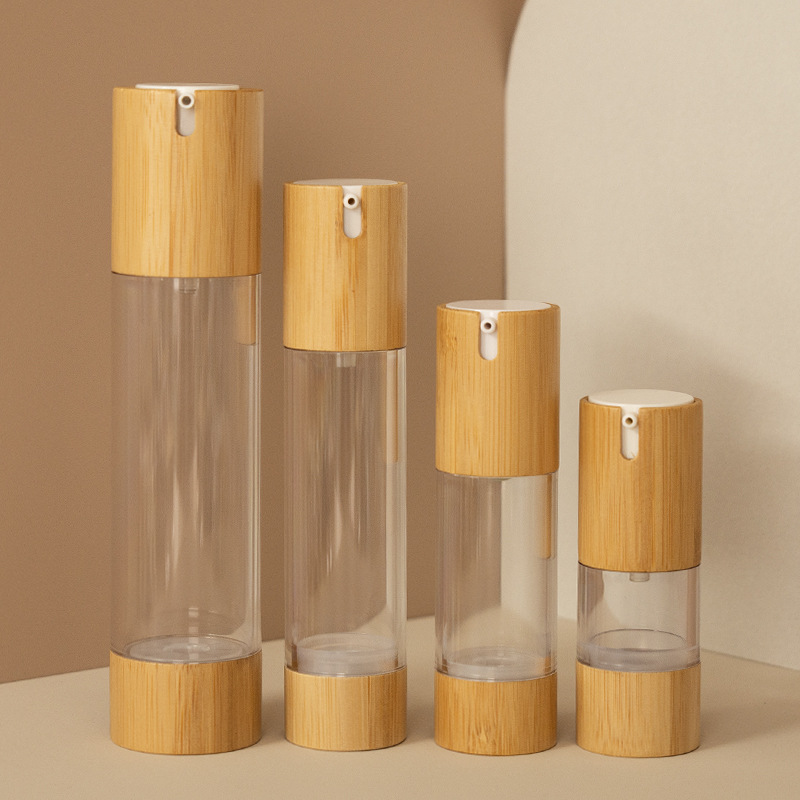
[이미지 : 매끄러운 나무 테이블 위에 대나무 물병과 천연 대나무 화장품 병 용기가 깔끔하게 진열되어 있습니다]
대나무 포장 형식 간의 수명 프로필 비교
대나무 물병과 대나무 화장품 포장은 유기 재료 특성을 공유하지만, 작동 환경과 디자인 매개변수는 뚜렷한 수명 프로필을 만듭니다. 이러한 차이점을 이해하면 다양한 제품 애플리케이션에 대한 기대치가 명확해집니다.
대나무 물병 대 대나무 화장품 병 시스템
음료병은 수명주기 전반에 걸쳐 빈번한 세척, 지속적인 운송 및 반복적인 물리적 취급을 겪습니다. 손을 씻는 동안 정기적으로 물에 잠기거나 야외 환경에 노출되기 때문에 외부 대나무 껍질은 상당한 물리적 마모를 경험합니다. 결과적으로, 물병을 유지하려면 순수 금속이나 유리 대체품의 수명에 맞춰 적극적인 유지 관리가 필요합니다.
반면, 친환경 대나무 화장품병은 일반적으로 통제된 실내 환경에서 작동됩니다. 대나무 유리 화장품 병에 포장된 바디 로션, 페이셜 세럼, 리퀴드 파운데이션이나 리필형 대나무 화장품 병에 담긴 제품은 대부분의 수명주기를 화장대나 보관 선반에서 보냅니다. 욕실 습도가 문제가 될 수 있지만 이러한 용기는 물리적인 물방울이 훨씬 적고 세척수에 담그는 일이 전혀 없습니다. 그 결과, 대나무 화장품병 용기의 외부 대나무 케이스는 수년 동안 그 미적 매력과 구조적 형태를 유지하는 경우가 많으며, 내부에 보관된 플루이드 제품의 사용 기간보다 오래 지속되는 경우가 많습니다.
단일 벽 외부 쉘과 두꺼운 벽 보호 슬리브 비교
외부 대나무 층의 건축 방법은 구조적 내구성에 큰 영향을 미칩니다. 단일 벽 대나무 껍질은 내부 저수지 바로 위에 장착된 얇고 속이 빈 나무 원통으로 구성됩니다. 가볍고 시각적으로 최소화된 얇은 대나무 벽은 충격 저항이 적고 단단한 표면에 떨어뜨릴 경우 깊은 균열에 더 취약합니다.
Heavy wall bamboo structures and thick outer sleeves provide far superior durability. The additional material thickness distributes physical impact forces across a larger surface area, preventing structural cracks from reaching the interior liner. Furthermore, thicker bamboo walls are less prone to complete warp distortion caused by ambient humidity shifts, making heavy wall designs the preferred option for high end sustainable bamboo cosmetic bottle packaging where long term reusability is desired.
Screw Top Closures versus Pump and Dropper Assemblies
The mechanical interaction between caps and bottle bodies also influences total container lifespan. Screw top beverage caps feature coarse threads carved into metal, plastic, or directly into the bamboo lid interior. Continuous friction from opening and closing the cap can wear down wooden threads over time if they are not reinforced with plastic or metal inserts.
Cosmetic packaging frequently incorporates specialized dispensing units, such as fine mist sprayers, lotion pumps, or glass pipettes. A bamboo cosmetic bottle fitted with a pump mechanism protects the neck region from continuous friction since the cap does not need to be unthreaded during every use. However, the internal mechanical springs and valves inside plastic pump engines have their own operational limits. Fortunately, modular designs allow consumers to replace a worn pump assembly while retaining the durable outer bamboo cosmetic bottle body for continued use with fresh refills.
Functional Longevity Comparison Across Bamboo Container Categories
| Bamboo Container Type | Typical Inner Material | Primary Application | Average Useful Lifespan | Key Maintenance Requirement |
|---|---|---|---|---|
| Insulated Bamboo Water Flask | Food Grade Stainless Steel | Daily beverages, sports | Two to four years | Air drying after hand washing |
| Bamboo Glass Cosmetic Bottle | High Borosilicate Glass | Serums, essential oils | Three to five years | Wiping surface moisture immediately |
| Refillable Bamboo Lotion Pump | Polypropylene Cartridge | Creams, body lotions | Four to six years | Periodic cleaning of dispenser nozzle |
| Bamboo Squeeze Tube Container | Flexible Polyethylene Liner | Creams, sunscreens | 1~2년 | Avoiding sharp bending of outer wall |
Best Practices for Extending Bamboo Bottle Usability
Implementing appropriate care and maintenance routines significantly extends the physical lifespan of organic bamboo containers. Simple daily habits prevent moisture accumulation and protect surface finishes from premature degradation.
Proper Cleaning Procedures Without Sacrificing Bamboo Integrity
Cleaning methods must balance internal hygiene with outer surface protection. Submerging a bamboo vessel entirely in water or placing it inside an automatic dishwasher is one of the most common causes of rapid failure. Dishwashers subject containers to high water temperatures, aggressive detergents, and prolonged moisture saturation, which strip away protective lacquers and cause raw wood fibers to warp and crack within a few cycles.
The correct approach involves washing the interior reservoir with warm water, mild dish soap, and a soft bottle brush. The exterior bamboo surface should be wiped clean using a damp microfiber cloth and dried immediately with a soft towel. Allowing the bottle to air dry upside down on an open drying rack ensures that moisture does not collect around the top rim or inside the cap threads.
Moisture Control and Storage Guidelines for Extended Durability
Where and how a bamboo container is stored between uses plays a critical role in its overall longevity. Storing a damp bottle inside an enclosed bag, dark cabinet, or humid bathroom corner promotes fungal growth and wood rot. Bamboo vessels require adequate air circulation to ensure that any absorbed surface moisture evaporates completely.
When storing a bamboo water bottle or a refillable bamboo cosmetic bottle for extended periods, the cap or pump assembly should be left off or slightly unscrewed. This allows air to circulate through the interior chamber, preventing stale odors and moisture retention inside the inner liner seal. Additionally, setting containers on dry elevated coasters rather than directly on wet sink surfaces prevents bottom rim water absorption.
Surface Conditioning and Natural Oil Applications
Over time, natural wear gradually strips away the initial factory varnish from the bamboo exterior. Applying natural conditioning oils periodically restores surface water repellency and prevents the wood from drying out and cracking. Food safe mineral oil, beeswax polishes, or organic coconut oil are suitable choices for maintaining raw or matte finished bamboo surfaces.
To apply oil conditioning, clean and dry the exterior bamboo wall thoroughly. Rub a small quantity of oil into the wood grain using a soft cloth, allowing it to soak into the fibers for several hours. Wipe away any excess oil with a clean cloth until the surface feels smooth and non-greasy. Repeating this simple process every few months restores the protective barrier, enhancing natural wood grain beauty while extending the physical operational life of the container.
Identifying Signs of Bamboo Degradation and Replacement Timelines
Even with meticulous care, organic materials eventually succumb to physical aging. Knowing when a bamboo vessel has reached the end of its functional life ensures safety, hygiene, and optimal performance.
Surface Cracking and Structural Splitting Indicators
Fine hairline cracks along the outer bamboo grain represent the early stages of physical structural wear. Minor superficial surface cracks that do not penetrate the entire wall thickness do not immediately impair bottle functionality, provided the inner liner remains intact. However, these small fissures create pathways for moisture to enter deeper into the wood wall.
When a crack expands across the full length of the outer shell or causes the bamboo wall to separate from the inner liner, the structural integrity of the container is compromised. A split outer casing no longer provides impact protection and can catch on fabrics or pinch hands during handling. At this stage, replacing the outer shell or the complete bottle structure is recommended to avoid sudden mechanical failure.
Inner Liner Separation and Adhesive Delamination
Adhesive failure between the inner reservoir and the outer bamboo shell manifests as physical looseness or rotation between the two components. If the inner metal or glass core twists independently inside the outer bamboo sleeve when opening the cap, the internal structural bond has separated.
Delamination allows liquids to settle into the inaccessible gap between the two layers. Because this interior gap cannot be reached for thorough cleaning or drying, stagnant water accumulates, creating an environment for bacterial growth and wood rot from the inside out. Once structural separation occurs and internal moisture ingress is detected, the container should no longer be used for storing consumable beverages or delicate personal care formulas.
Mold Spore Colonization and Odor Retention Signals
Biological contamination is a definitive signal that a bamboo container requires retirement. While surface mildew on the exterior shell can sometimes be cleaned with vinegar solutions and gentle scrubbing, deep mold penetration into the internal porous wood fibers cannot be safely reversed.
Dark black or green spot discolorations that persist beneath the surface finish indicate deep fungal colonization within the cellulose structure. Similarly, if a container retains a persistent musty or sour odor even after multiple thorough cleanings and drying cycles, microbial activity has taken hold within the wood matrix. Replacing the container ensures that personal care products stored in a natural bamboo cosmetic bottle or liquids inside a daily water flask remain clean, hygienic, and free from contamination.